Argo CD v3.5.2 released on 27-08-2026
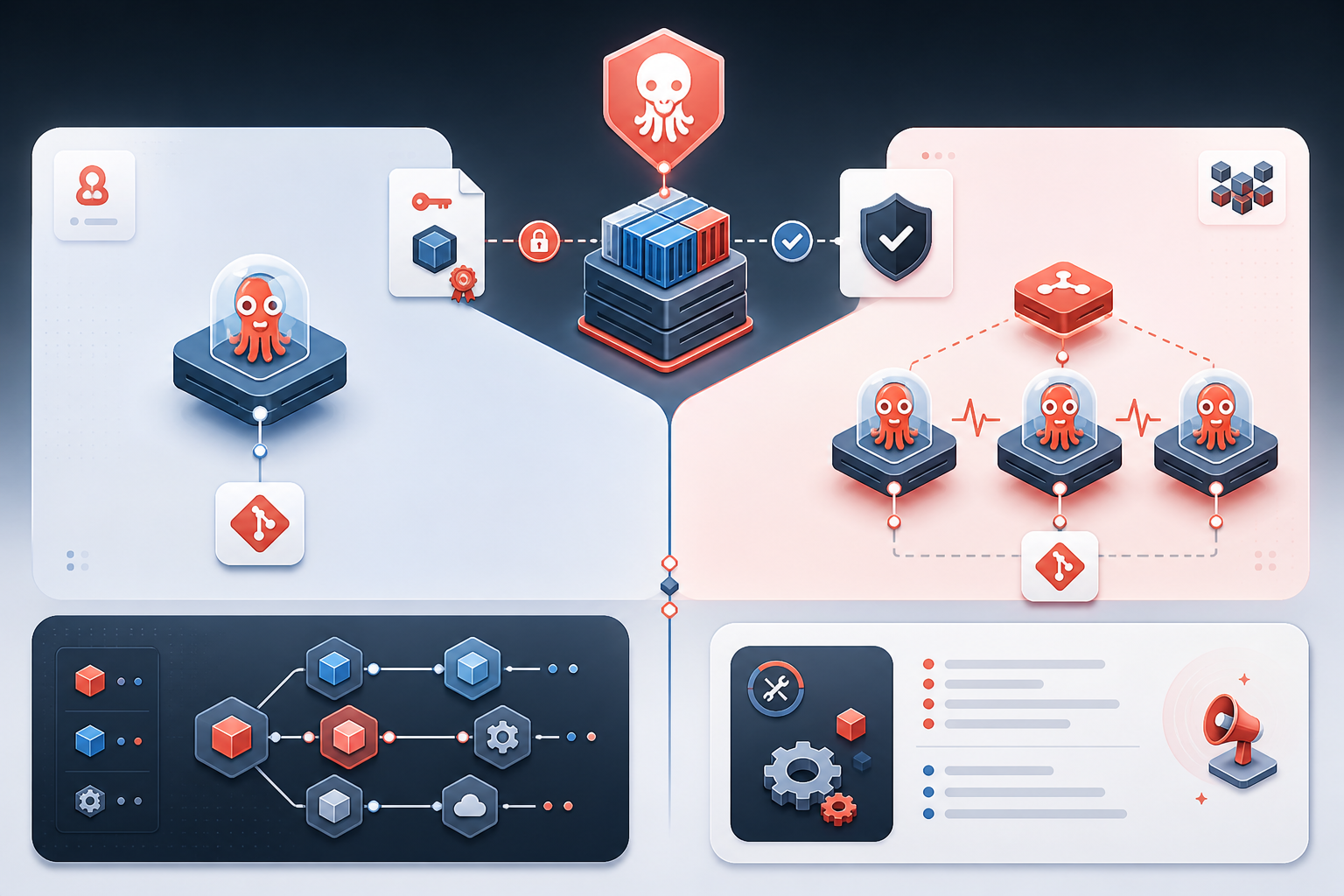
Argo CD v3.5.2 is out now. It provides drop‑in install manifests for single‑instance and HA installs, signed images and provenance for supply‑chain verification, and a set of cherry‑picked bug fixes that improve AppSet behaviour, Helm resolution and UI signals — useful for operators and CI/CD teams who need a straightforward, verifiable patch.
See the project’s GitHub release and the operator documentation for verification and upgrade details: the operator manual has the signed‑release assets guide and the full changelog is available on GitHub.
What’s in this release
- Quick start install manifests for Non‑HA and HA with exact kubectl commands (Non‑HA:
kubectl create namespace argocdthenkubectl apply -n argocd --server-side --force-conflicts -f https://raw.githubusercontent.com/argoproj/argo-cd/v3.5.2/manifests/install.yaml; HA: same namespace then.../manifests/ha/install.yaml). - Release signatures and provenance: all Argo CD container images are signed with cosign and provenance artifacts (SLSA Level 3) are produced for container images and CLI binaries; see the operator docs for how to verify.
- Cherry‑picked bug fixes and UX tweaks: restored ignoreApplicationDifferences for AppSets, improved Helm source type resolution for UpdateRevisionForPaths, fixed auto‑sync skipping when newer commits arrive, UI changes (removed kind filter from AppSet page and show operation state on applications list), better Cluster API health handling during provisioning, and recovery from a kubectl panic in AuthReconcile when a service account is forbidden.
Upgrade notes
- If upgrading from a different minor version, read the upgrading documentation before proceeding: https://argo-cd.readthedocs.io/en/stable/operator-manual/upgrading/overview/
- No rollback‑specific instructions are included in the release notes; consult the full changelog and your usual Kubernetes rollback procedures if needed.
Send feedback or report how the upgrade went via the project’s GitHub so maintainers and other users can see real‑world experience.