Reduce risk from AI recommendation poisoning with practical controls you can apply to your assistant today. Log incoming AI links, block anonymous memory writes, record provenance for every memory entry, and give users a simple inspector to review and revoke saved preferences; these steps help you detect manipulation and restore reliable recommendations.

Daily security advisory summary for 21 Feb 2026, selected for UK homelab and sysadmin readers.
Navigating Siri’s Delays: Lessons for Home Automation and Software Integration Siri delays can break automated flows and erode trust in home automation. This guide shows how to spot delays, where they typically occur, how to diagnose root causes, and how to fix and verify Siri software integration with HomeKit and related automation stacks. Use the […]
Securing Your Outlook Add-ins: Lessons from the AgreeTo Hijack A popular Outlook add-in called AgreeTo was abandoned by its developer and remained listed in the Microsoft Marketplace. An attacker claimed the unowned hosting subdomain, replaced the live content with a phishing kit that mimicked Microsoft sign-in pages, and harvested credentials from roughly 4,000 accounts. Security […]

Unlock the potential of screenless devices in education by minimising distractions and enhancing productivity. Discover effective setup and management strategies in this comprehensive guide.
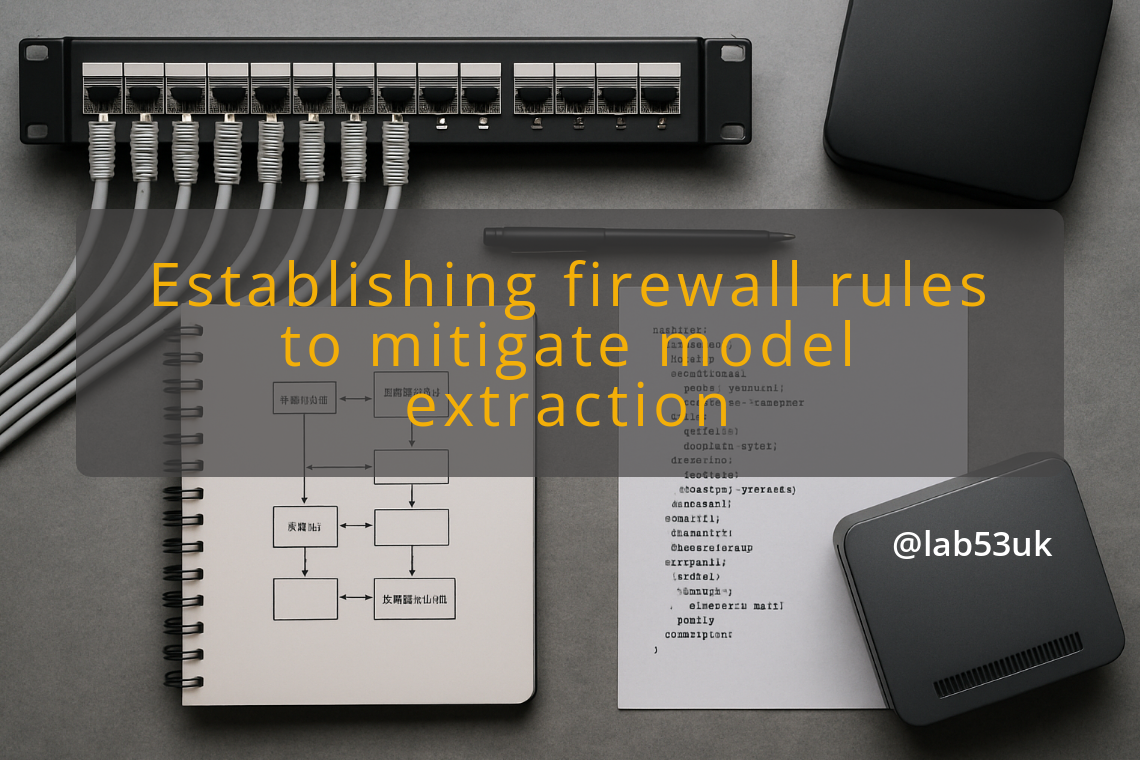
Implementing Effective Firewall Rules to Protect AI Models from Extraction Attacks AI models exposed over APIs attract systematic probing. Large volumes of patterned queries can be an attempt at model extraction, where an attacker reconstructs model behaviour. Apply layered firewall rules and network controls to reduce the attack surface, preserve evidence, and slow or stop […]

Plan and version your homelab so AI software configurations remain reproducible, secure and easy to roll back. You should automate provisioning and testing, segment workloads on separate VLANs and keep secrets in an encrypted vault to reduce manual drift and simplify recovery.
You should check telemetry for attitude alerts, sudden shutdowns, thermal spikes and short comms blackouts to identify collision risks for AWS Outpost deployments. Record exact timestamps, correlate them with your CPU and BMC logs, and run diagnostic commands to trace the root cause and apply conservative fixes.
Mitigate Windows LNK file risks effectively by implementing key security measures and user training. Protect your system from shortcut vulnerabilities today.
Daily security advisory summary for 17 Feb 2026, selected for UK homelab and sysadmin readers.